Fire Alarm System Offline? Understand Your Responsibility

fire-alarm-system-offline-understand-your-responsibility

What building management teams need to know when protection is impaired

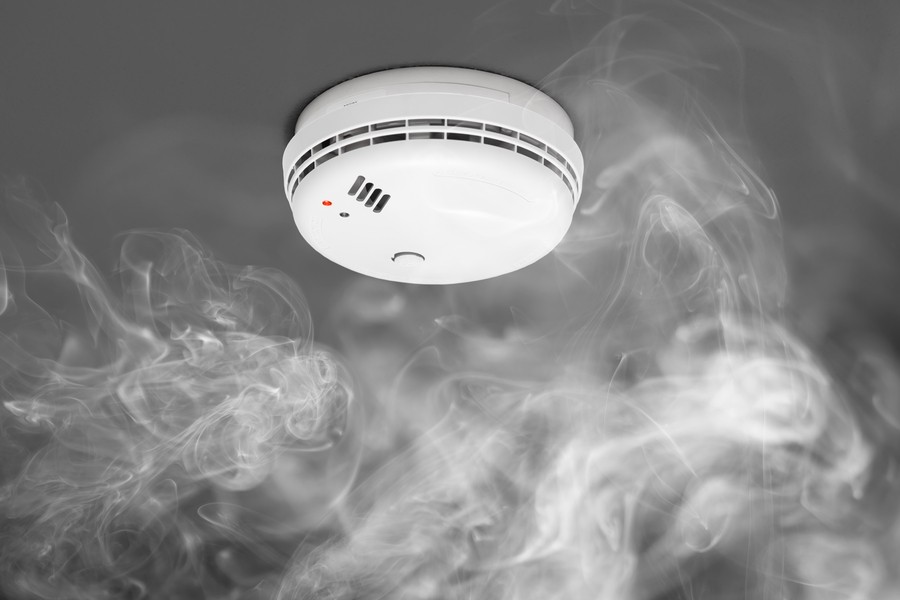
A fire alarm system supports occupant safety and plays a major role in a building’s life-safety strategy. When the system goes offline or becomes impaired, even for a short time, risk levels change immediately. During periods of disruption, building owners and facility teams must pay close attention to how safety responsibilities are handled.

An impaired system raises important questions about accountability, documentation, and temporary safeguards, but with the right planning and professional oversight, facilities teams can manage these situations with confidence. Keep reading below to learn who is responsible and how you can manage fire alarm impairments responsibly.

S3: Keep Life Safety Systems Performing at Their Peak

s3-keep-life-safety-systems-performing-at-their-peak

A Smarter Approach to Ensure the Reliability of Life Safety Systems

Life safety systems earn their value in the moments that demand absolute reliability. Fire alarm, detection, access control, and security infrastructure all support daily operations, code obligations, and occupant confidence. Keeping that performance steady across the year calls for more than periodic attention.

That is where Eastern Time’s Sciens Service Suite (S3) comes in. S3 is built around performance, using system intelligence, ongoing oversight, and practical service strategy to keep critical systems operating as designed. So, if you want a clearer, more measurable path to reliability and compliance, keep reading this blog below.

The Integrated Security Solutions Keeping Businesses Safe in 2026

the-integrated-security-solutions-keeping-businesses-safe-in-2026

How Unified Life Safety and Security Reduces Risk and Supports Compliance.

In 2026, commercial security is no longer defined by individual systems, but by how well those systems work together under real operational pressure. Many facilities still rely on separate fire protection, access control, surveillance, and monitoring platforms installed at different points in time. While each system may function on its own, the gaps between them often remain invisible until something goes wrong.

For facility managers and building owners, those gaps translate into delayed response, unclear accountability, and unnecessary compliance risk. Integrated security changes that dynamic by bringing life safety and security into a single, coordinated environment. In the blog below, we will explore why this shift matters, where siloed systems fall short, and how integrated security supports safer, more resilient facilities.

How Sound Masking Boosts Office Privacy and Focus

how-sound-masking-boosts-office-privacy-and-focus

Create a Calmer Workspace With Smarter Office Acoustics

Open offices can feel busy, energetic, and connected. But they can also feel loud and overwhelming. Conversations travel across the room, phones ring, and even small sounds start to pile up until it becomes hard to focus on the task in front of you. Employees often adapt by putting in earbuds, hunting for empty conference rooms, or lowering their voices and hoping no one overhears private conversations. That is a sign the space is not supporting the way people actually work. 

Sound masking offers another path. Instead of redesigning the entire floorplan, this technology reshapes how sound behaves in the space. Let’s explore how, with the right system in place, offices feel quieter, speech feels less exposed, and teams can concentrate without feeling isolated.

Subscribe to Inspiration
Stay up to date on the latest smart technology ideas and innovations.

Powered By One Firefly   |    Sitemap   |    Privacy Policy